Verified Data Foundation — Built for Agentic AI
The verified foundation every AI agent trusts
The only knowledge graph built for AI agents
Verified data = trusted AI citations
Connect your brand facts directly to AI search engines and the citation sources they trust.
One update. 50+ connectors. 200+ publishers. Live everywhere instantly.
Update every endpoint from a single source of truth that syncs data from 50+ pre-built connectors, APIs, or automated web scraping.
Automate data transformation — accurate at every endpoint
Automate data transformation so every digital endpoint is formatted properly and accurately.
Turn brand facts into visibility everywhere
AI-Friendly Data
Structured, trusted answers — direct to ChatGPT and every source AI pulls from
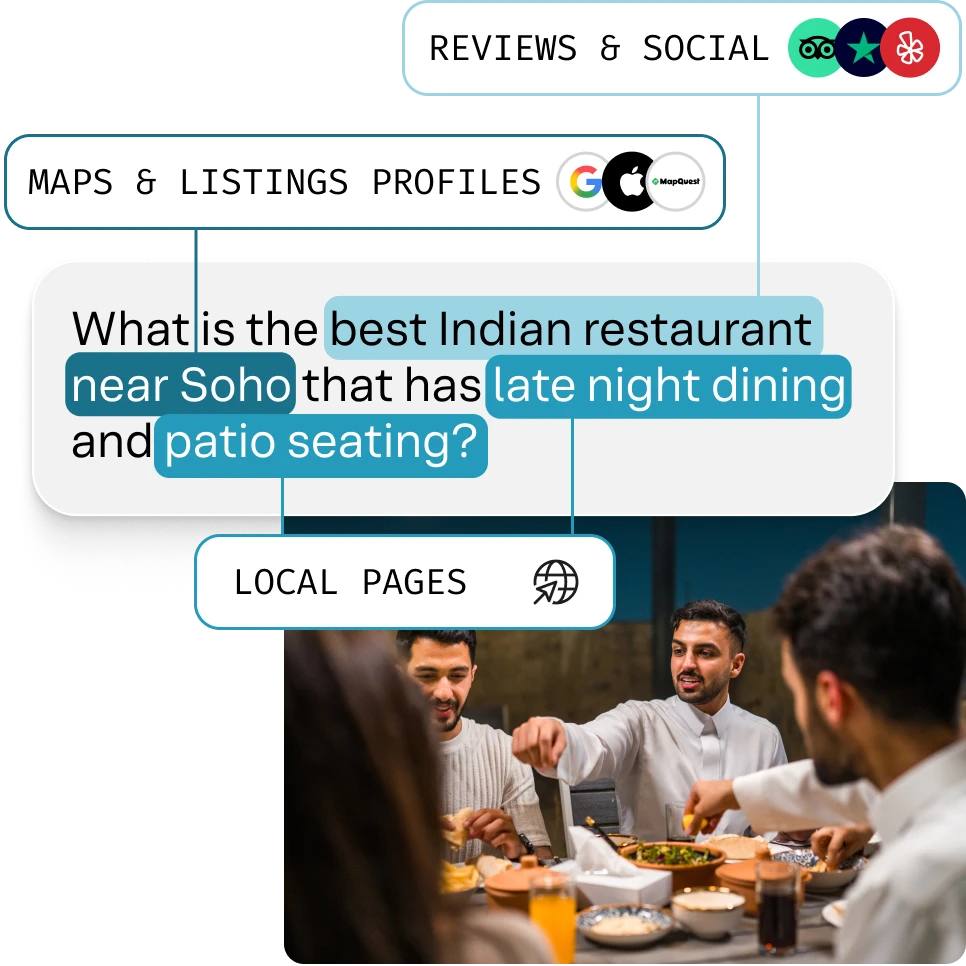
Deliver structured, trusted answers directly to AI engines like ChatGPT, and all the sources they pull from. With AI-ready data, large language models (LLMs) can reliably parse, ground, and represent your business, making sure your brand shows up with accurate answers wherever results are being generated.

Knowledge Graph Modeling
Model any entity relationship — locations, providers, products, services, events, and more
Mirror the real world by defining complex relationships between locations, professionals, products, services, and more as structured entities and fields. These connections give AI the context it needs to understand and surface your brand accurately in generated answers.

Knowledge Graph Updates
One update cascades to listings, reviews, pages, and social — automatically
Connect your Knowledge Graph to listings, directories, reviews, pages, and social profiles so updates cascade everywhere instantly. Change a value once and it flows across every connected record, eliminating silos, schema drift, and manual rework.

Scheduled Updates
Automate seasonal hours, promotions, and rebrands — at any scale
Automate seasonal changes, promotions, rebrands, or location moves with scheduled updates. Set changes to go live at any date or time, so your information stays accurate and timely without added effort.

AI Content Creation
AI drafts FAQs, bios, and descriptions — you review, approve, publish
Accelerate authoring with built-in generative AI. Draft FAQs, bios, business descriptions, or responses in seconds, then refine with approvals and workflows to maintain speed without sacrificing accuracy or compliance.

Knowledge Graph Connectors
Bring data in from any source. Push it everywhere. Always accurate.
Bring your data into Yext or sync it to external systems using pre-built apps, APIs, spreadsheet uploads, or automated crawlers. Every update is transformed into structured, clean data that powers consistent experiences everywhere.

Knowledge Graph Enterprise Governance
Fine-grained roles, approval workflows, and audit trails — across every team and region
Enforce fine-grained roles, workflows, notifications, and digital asset management to keep every update accurate, compliant, and auditable across teams and regions.

Global Content Management
Engage audiences worldwide
Create and maintain localized versions of your content so every market sees accurate, region-specific information — driving trust, compliance, and stronger local engagement.

Action Center
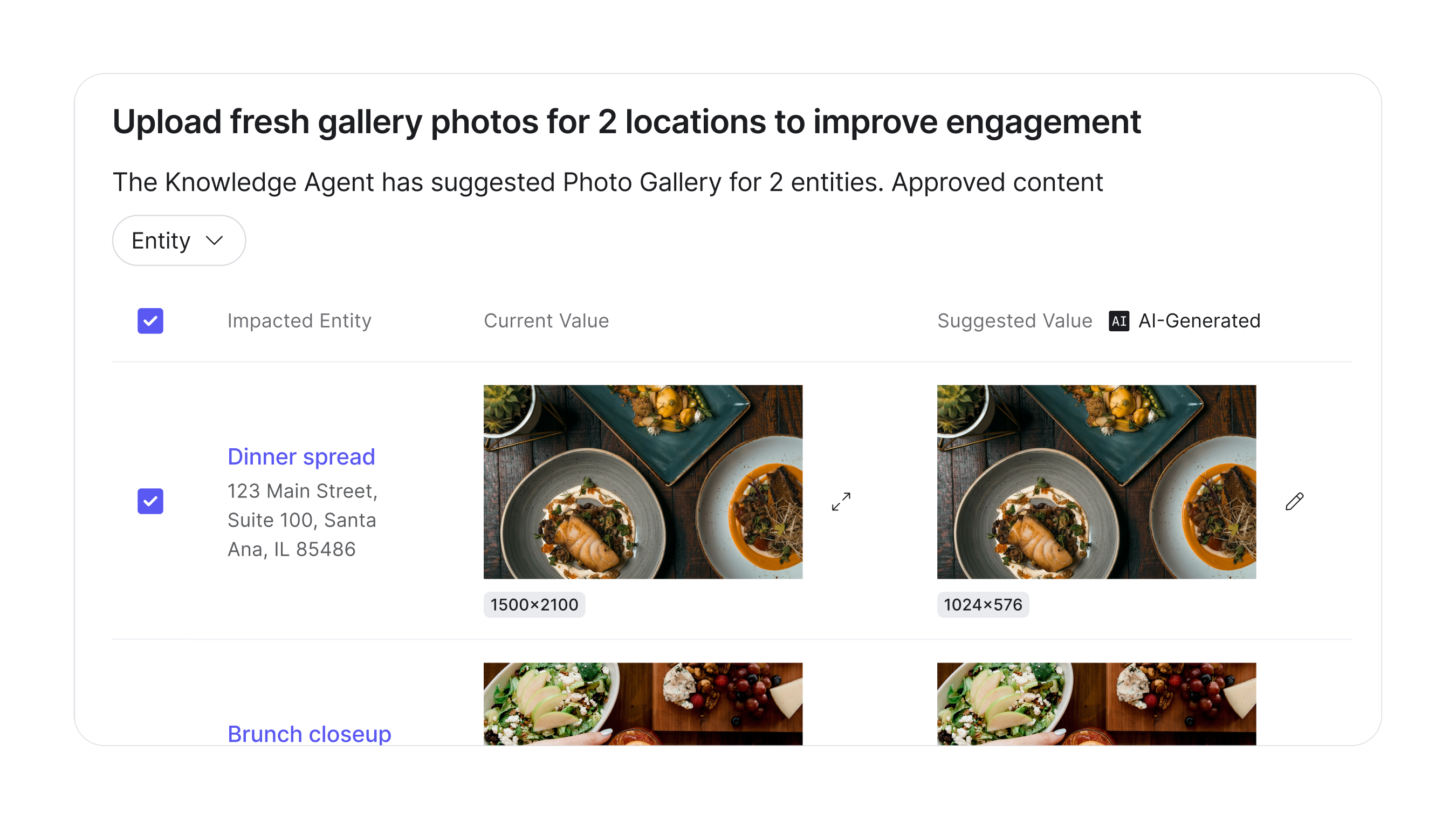
Keep profiles optimized to compete, automatically
Fill in missing photos, videos, and details the moment a location falls behind competitors, so every profile is fully enriched.
Mobile App
Update entity data on the go
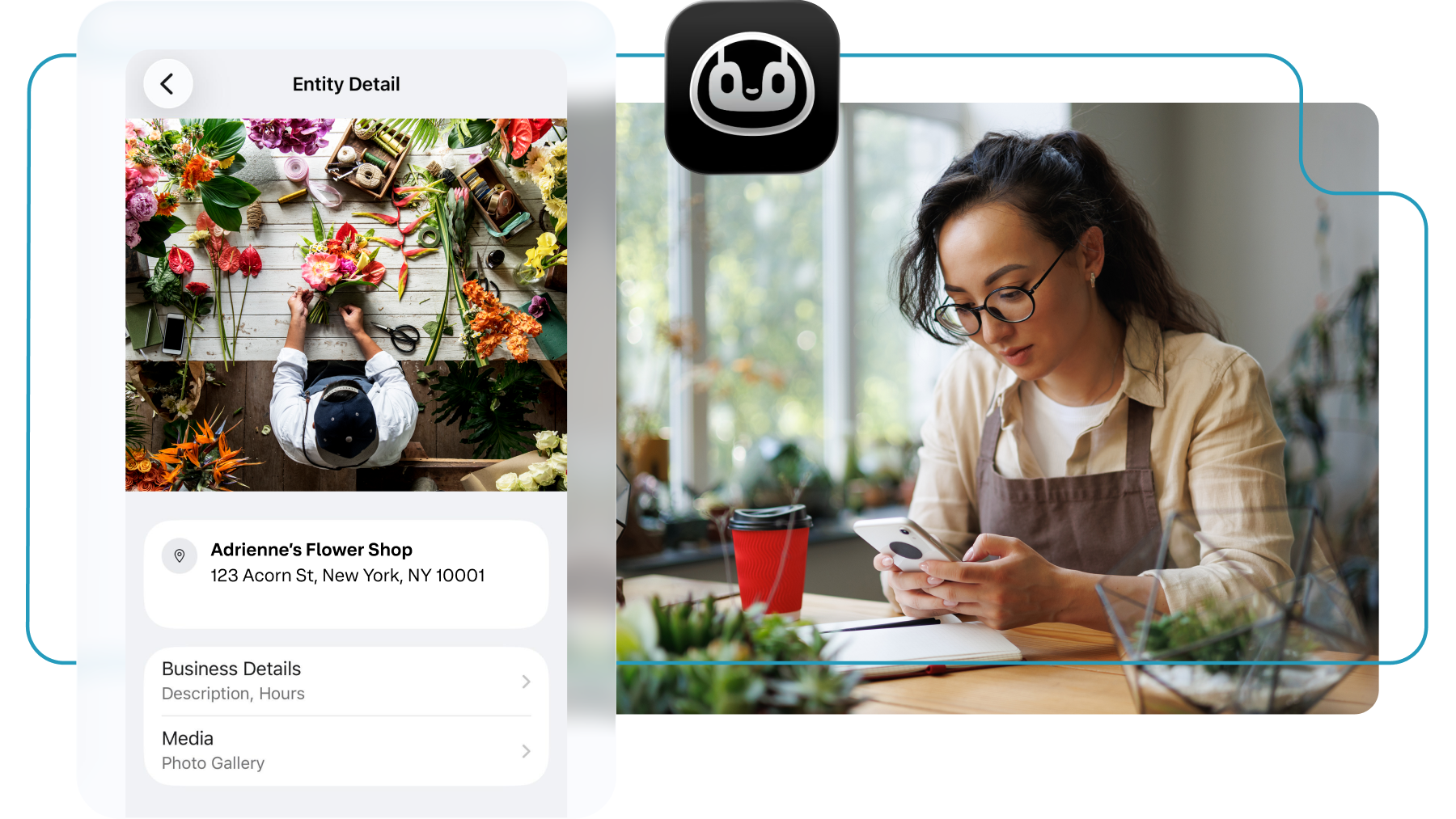
Update hours, descriptions, and photos for any entity directly from your phone, so your Knowledge Graph stays current the moment something changes.