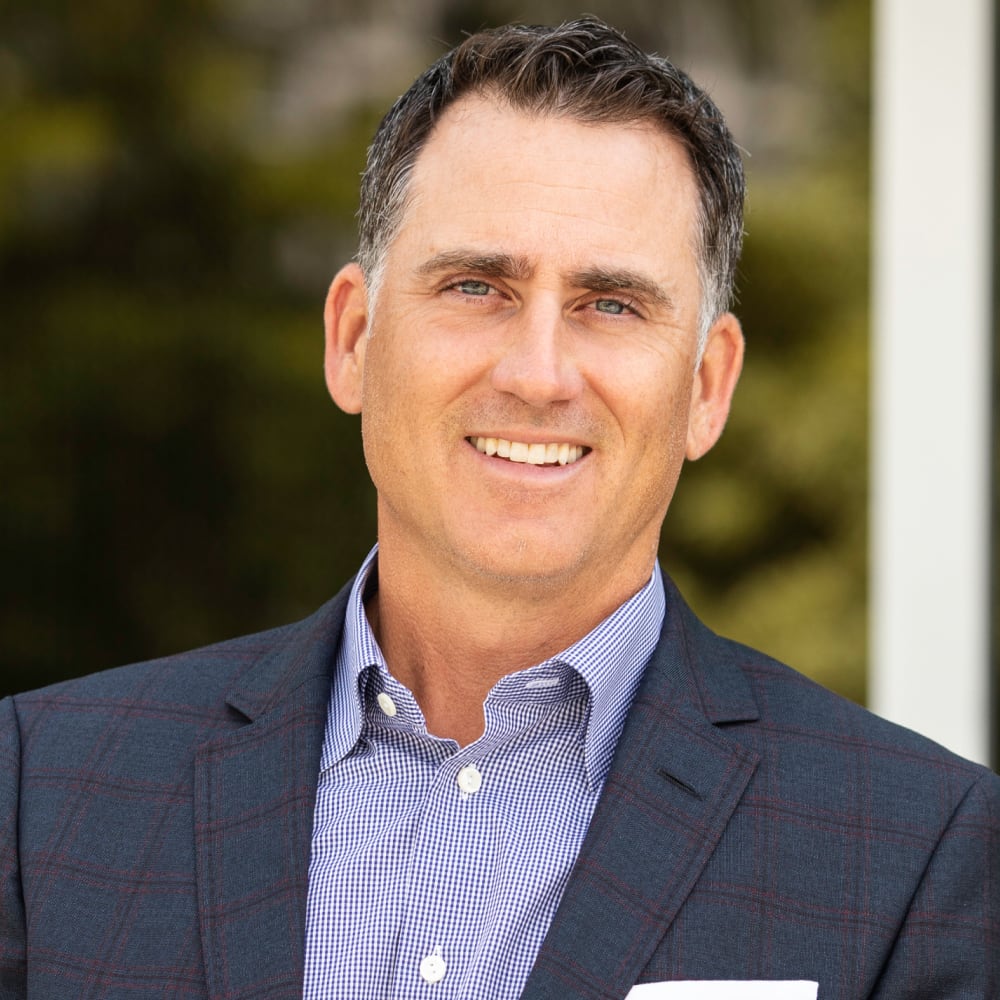
Paid search isn't broken…but it's definitely changing. In this episode of The Visibility Brief, Yext SVP of Marketing Rebecca Colwell is joined by CEO Mike Walrath for a conversation about the rising cost of paid search — and why AI is forcing marketers to rethink not just tactics, but the entire structure of marketing and measurement.
Cost-per-click (CPCs) are climbing, clicks are disappearing, and nearly 70% of searches no longer result in a website visit. So what happens when the click (the foundation of modern digital marketing) stops being the most important metric? Are paid ads in AI platforms the next evolution, or a replay of search's earliest monetization debates?
Mike draws on his experience building and monetizing one of the web's first major ad exchanges to explore where AI advertising is headed next, how new models like Gemini and OpenAI are testing monetization, and what marketers must prepare for as paid and organic blur inside AI-driven discovery.
The episode breaks down:
Why paid search feels more expensive (and less effective) than ever
How AI is rewriting the funnel — and what that means for performance
What early AI ad models tell us (and don't)
Why ads and organic visibility are starting to blur
What marketers should really be tracking when clicks aren't the goal
The hidden opportunity for marketers inside all the noise
If you're a marketing leader navigating rising paid costs, shrinking clicks, and uncertainty about how AI will monetize discovery, this episode will help you reframe the problem – and see why this moment may be one of the biggest opportunities marketers have ever had.
Episode Links
Transcript
00:00:00.160 — 00:00:33.120 The moment we've all been anticipating is here, LM adds have arrived and it is the Wild West out there. This is an entirely new frontier for marketers. So we've invited Mike Walrath, a pioneer from the ad industry, to share his perspective. Before joining Yext, Mike founded Right Media, a digital ad exchange that was later acquired by Yahoo! And then he ran Yahoo's global ad marketplace. He's here today to share his predictions and pearls of wisdom for the future of paid in LMS. Let's get to it.
00:00:41.120 — 00:07:36.859 Hi, Mike. Thank you so much for being here. I'm super excited for our conversation today. Hi, Rebecca. Great to see you. So let's start the conversation with a look at the current state of paid search. Um, because I think as brands, we are all really feeling the squeeze. I just saw a stat that said CPC went up 5% last year. And so right. Brands are paying more to basically reach the same volume of search traffic. Um, it feels a bit like inflation. Yeah. Yeah. Love it. Right. Do you think that this is a temporary thing related to, you know, declining search volume in general, or do you think we're entering an era where search ads are just going to be more expensive? I don't know that we can predict it, I think. Well, so a couple of things, right. So so I actually was on a call this morning with a, um, uh, with a company that services PPC, CPC marketers on Google. And they said universally across the board, you know, volume is down and cost per click is up. Right. Um, volume of clicks is down. Right. One thing we know is not down is volume of searches. Mhm. Right. So we know that's up and it's up. It's up meaningfully. And if you include the entire landscape that includes all of AI search then it's way up and it's going to just keep going up because these things basically won't let you end a conversation, right? They just they demand that you continue to ask questions, um, and get information. And so, so one thing that's to me obvious is that we're not going to see a decline in overall questions that are being asked. Right. The experience is so good that the number of questions being asked, how those questions get monetized is the, you know, gazillion dollar question that I think everyone's trying to trying to think about. And so far, what we're seeing is that there seem to be, you know, sort of higher costs to get a click out of a paid search experience today. You know, it's interesting. I saw a stat that said 69% of Google searches today do not end in a click anymore. And so we're definitely getting getting the answers that we're looking for in a different way. That's right. Yeah. It's really uncomfortable for marketers. So what often happens in this situation if I see organic performance decline. I'm not getting the clicks. Um, I might start to over invest in paid. Right. I'm going to fill that leaky, leaky bucket. Um. And of course, pay costs are going up. It seems like a really prime opportunity for marketers to take a step back and think just a little bit differently. So I'm really curious what your thoughts are about what we should be advising marketers to do right now. Yeah. So, so, um, so this is the part of the, the broadcast where everybody playing the like, you know, Mike, uh, makes analogies and we drink game is going to start to, you know, fire up your, fire up your, your, your beverage of choice. So so there's this, you know, I think most, you know, you certainly know probably a lot of the audience knows that I play I play a lot of golf. Right. And, uh, you know, which makes me totally obsessive about it. And, um, and sometimes what happens when you practice golf is you get really into the mechanics of the golf swing, right? Like, am I where's my hip? Where's my shoulder? Where's my, you know. Is it like the degrees of rotation and blah, blah, blah, blah, and and there comes a moment where, like, a really good teacher professional will say, hey, like, let's play golf, let's stop playing golf, swing. Let's play golf. Right. And this feels a little bit like that moment in marketing for me where like, we are so myopically focused on, like, hey, this is how I got clicks before, right? And this is what I used to measure. And I knew exactly how many impressions I got, and I knew how many clicks I got, and I could track that back to sales or conversions and how much I paid for a click and paid search and all this stuff. Right. And like, you know, in a lot of ways, all the rules of that is changing. And, you know, we got to remember that, like, you know, that is that's the equivalent of playing golf swing. What do we really here for as marketers? We're here to sell stuff. Right. So it's I'm either driving traffic into my store. I'm driving, you know, I mean, literal human traffic because we don't have enough optimist robots yet for people to never have to leave the house. Um, and so I think, you know, that to me is the key thing here is, like, we got to remember what we're trying to do. And if if AI search wants to deliver us customers in a different way, we have to be prepared to shift our marketing tactics in order to, uh, in order to be able to take advantage of that. I think it goes beyond tactics, though, as well. I mean, if we look at the actual structure of a marketing team where you've got one organization that's or one team that's focused on organic search and one team that's focused on paid and one that's focused on this channel. Um, it's it's very siloed today. And each of those teams, you know, operates with their own metrics and performance goals, often stepping on each other's toes. They are really interesting gaps that can happen. I think it's time for that, those walls to come down, basically. Um, I'd be curious to see how it plays out. Yeah. What do they have to come down, or do they just have to become a lot more porous? Right. Because if we're talking about compression of the marketing funnel, which I think is at the heart of this, right, is that, you know, we're not going to have these these really distinct customer journeys between, you know, the discovery and then and then exploration. And this is when I'm visiting your site and I'm taking material and I'm reading material and like, you know, in so many ways, like, you know, marketing is going to become delivering that information to these agents who are going to basically deliver that and package that communication for consumers. Right. So if you if you start from there, then like all these pieces start to work differently. Right. So I can no longer count on the fact that, like, you know, you said, you know, 69% of Google searches don't result in a click anymore. Like, we've built our, you know, like a lot of cases, built our whole marketing funnel around winning that click. Right. So if that click disappears then like I need to reframe the way I think about marketing entirely. And that goes to um, I think understanding if not trying to predict how. How these systems are going to behave differently when they're surfacing information on behalf of consumers. Um, and I do agree that what that means is that the lines between paid marketing or paid search and organic search and content marketing and social media marketing and communication with my customers, they're all going to get really blurry when more and more of that is being intimidated by these AI search experiences. So right now, we focus a lot on how to organically influence the LMS, because that was really our only option, right? But now paid ads are coming. I mean, well, actually we've been saying they're coming, but they are here. Yeah. And it's really interesting because each model is taking their own interesting approach. And I would love to get your perspective
00:07:37.900 — 00:10:38.630 on on how they're approaching this and maybe why. So let's start with the big one. So OpenAI, they made their big announcement that paid ads are coming to the free tier. It Feels a bit like that old saying that, you know, if you're not paying for the product, then you are the product. Um, the social media model. But, um, so they're ads, they're separate. They're clearly labeled. Um, they've indicated that they're not going to influence the, the response at all. And that as a marketer, you are you're not going to get any data back except for really high level information about impressions and clicks. This feels kind of old school. So I'd love to get perspective. Like what? Why do you think on this that you know, what's that saying like history. History doesn't always repeat, but it rhymes. Yes. Right. So. So, like, you know, if we for those of us who are around or who've read up on it, if you go back in time to the way, way, way back to the year 1999 or 2000, right? You have this, this raging debate going over whether search should be monetized at all. Right. And the purists, which happened to be, you know, largely represented and reflected by, you know, two people who've created more wealth and more, you know, sort of economic benefit from selling ads against search. You know, more than anyone else, than everyone else in the world combined. Represented the point of view that, like, this stuff should never have advertising in it. Right. This is a this is a pure utility and we shouldn't ruin it with advertising. Right. Then they sort of tiptoed. Well, maybe there should be some advertising, but it should be really separate and clean. And like, I mean, Google was selling, you know, it was like, you know, there was this moment where it was like, okay, those are going to be like impression based ads and stuff like that. Then you have overture disrupts the whole thing with their cost per click model, which turns out to be by far the best model. Um, and next thing you know, Google builds the biggest ad monetization business ever built around this idea of like, so. So the one thing I can tell you with a degree of certainty is that what we're seeing today is not the end state, right? It's chosen the water. Right. And so yes, OpenAI is apparently going to serve ads based on CPMs and impressions into into conversations that are targeted based on, theoretically, the context of those conversations. Right. It's a it feels very much like we're going to put one toe in the water and see what happens here. And if I were them, I'd be very cautious too, because I think like they are the magic experience that Google was in the late 90s, which is like untouched or largely untouched by monetization and their ability to win share of consumer, consumer share and consumer user share is is really predicated on that. It's also the reason why we haven't seen Google inject ads into the Gemini experience, because they're being forced, I think, to provide this really clean, magical and monetized experience as well. The only thing that, you know, 25 years of, of actively working in marketing has convinced me of is that we will find a way to ruin all of these experience with advertising.
00:10:40.190 — 00:12:48.630 Yes, we probably well before we dig into what that looks like, let's go back to Google for a second, because, um, they have been able to keep Gemini pure, let's say. But they are injecting ads into their AI overviews. They are, you know, they're dipping their tail in the water there. So do you think this is a calculated move on their behalf to monetize in some way with while still keeping Gemini pure, let's say? Yeah, I don't think Google does anything on that on any of those search results pages that aren't that's not highly calculated, even if the calculation is, hey, let's experiment with this a little bit and see what happens. You don't build a $220 billion annual business without being really calculated about what you do on those pages, right? And again, when I was running the Yahoo search business way back in the, you know, the the old days, um, you know, they they had almost no organization and we had a lot and they absolutely crushed us, um, because the user experience was better. So, you know, it's a different world today, and I think everyone's got a lot to win and a lot to lose in this space. And so we'll see tons of experimentation before we and almost certainly we're years away from kind of what the end state looks like here. Speaking of experimentation, I'm really intrigued by perplexities approach, which is, you know, you're you're having a conversation and there are sponsored follow up questions. I think that goes back to what you said earlier about how it just won't let you out of the conversation and keep going. So what are your thoughts on on that approach? That feels actually pretty unique? Yeah, I think it's pretty interesting and pretty novel and probably also not the end state, right. And you know, the cool thing about this is that every experiment that we run will likely move us closer to the end state, either by moving us closer to it or further away from it for the moment. Right. So this is the cool thing about like experimentation is, you know, you figure out very quickly whether you're getting closer to where you want to get or further away, and then you can and then you can, of course. Correct. So I think the perplexity experimentation is pretty cool. Um, I think, you know, it won't be the way that it lines up.
00:12:50.030 — 00:13:58.929 where do you think it's going to wind up? Well, I have a crazy point of view on this, which, you know, I think is probably unpopular. And, um, I think it's going to be I think the end state is going to make it very difficult to tell the difference between what is what is advertising and what is, um, generated content. And, and I don't know exactly how this will work, but here's, here's maybe, you know, like, I'm just, you know, doubling down on my, like, natural advertising cynicism. Those of us who who sort of are steeped in the marketing and advertising world, we tend to care a lot about the purity, right, is the ad. And look, there are laws and regulations around, like disclosing that like you're being advertised to versus you're not being advertised to, and I expect everyone's going to want to follow those regulations. But I think, you know, that's where it gets interesting. Right? Because which if you're generating an answer on the fly and you're recommending a product and then potentially you have the ability to get paid for the consumer showing interest in that product.
00:14:00.290 — 00:28:04.860 Right. That doesn't necessarily mean that you're delivering a, a, an advertiser designed ad unit into that interface. Right. Which is what we have today. Right. Or an advertiser design sponsored question that's going to be to me, the most interesting piece of this is like, at what point will we see I make it up color coding inside the, the, um, around things that, you know, that linkable things that may be, um, or, you know, different ways to call out that, like, hey, this part of the, of the conversation we're having is actually potentially ad supported. And this, you know, I use this example all the time, but like if I'm shopping for a car and I'm getting lots of great advice from ChatGPT and they offer to deliver my car of choice to my house for a test drive at a certain time. That day. Like that is a brilliant, special, magical customer experience. As long as I trust that the research that ChatGPT helped me do helped me identify the right car, it just saved me hours. Right. And I don't care if they get paid for that. Agreed. You know, it's really interesting. I work across multiple timezones, as do you, and I have a hard time keeping track of all the different ones. So I started doing a search for just a world clock with three different timezones. They are hundreds of dollars for some reason. Crazy. So I asked ChatGPT to help solve this for me. It thought for 4 or 5 different minutes. Like explored all of these different angles and came back with several different options. It was like you could get an iPad and configure it this way. In the end, it recommended three digital clocks that were $9 each that I would just stack on top of each other. I was like, yeah, brilliant. And they were linked somewhere I could buy it. I'm curious. It almost felt like an old school affiliate model. Yeah. Yeah, right. Well, that's the promise, right? Whether that's the way it's going to wind up or not is like, if you if you really think about what's different about AI search versus versus traditional search is it's the amount of context that you know that the AI search experiences have. Right? So they know so much about me that they can make a a really, really informed recommendation. Right. And and I think the more we start to think about these things as like, you know, assistance instead of search experiences, the easier it's going to be for us to start to think about a future where, like marketing through these things feels more like affiliate marketing, right? And potentially disclosed affiliate marketing. So one of the ways that I like to think about this is like, you know, we can only think about the the kind of interface that we use today, right? So if you typically use the visual interface of ChatGPT on your phone or on your desktop or laptop. Then you're experiencing like, you know, sort of the, the, the, the paradigm where like, it would be very natural for text ads to be in there when you use voice mode, right, you start to think, well, what would what would like voice ads look like in here? Right. And you go down a whole road of like, are these going to sound like radio ads? Like, is it going to is my conversation going to be interrupted? I don't think that's what's going to happen. The paradigm that I like is the one that doesn't exist yet today, which is what happens when my whole like experience is an optimist robot that I can talk to, that just like hangs out and I can talk to it all day. Right. And what happens when like I'm going to use the same example now I'll use a different example. Right. So what happens when like when I turn to my Optimus robot or whatever, you know, my sort of AI enabled robot is who happens to be sitting in the chair waiting for me to talk to it and say, hey, like I'm I'm going to be hungry in half an hour. Can we arrange some lunch? Right. And you know that that that AI search experience in the form of the Optimus robot is, is like, you know, has all this context about me because all it does is listen to me talk all day, right? And it's there to provide me with a great lunch experience at that particular moment. You could easily imagine like that, if that. If that robot is powered by ChatGPT that the conversation winds up being, hey, like, you know, this Mediterranean place down the street has great clean food without seed oils and and all these other things. And they're running a special today. And I can have a DoorDash here and have it here in 30 minutes. But oh, by the way, like, you know, when we place this order, they're going to pay OpenAI five bucks, right? Do I care? Not remotely. Right. So so so like I, I know we're sort of way out there now, but like, part of what, you know, when we think about what the future of the advertising experience looks like, I think we, we have to think in terms of these like different ways of using the the experience so we can understand that, like, you know, there's no scenario where like, I want that, I want that robot reading me a text at right. Like I don't want that to happen. Right. And I might say, nah, you know what? I don't want monitoring. Like, like just order sushi from the place I always order from and nobody gets paid, right? Um, but as a consumer, I won't care, right? I won't care if OpenAI gets paid to have me place an order with the Mediterranean place. If if I trust that, like, the robot's working on my behalf in good faith. Like, I'm curious if you think there may be a demarcation based on the type of thing I'm researching. So if this is a low impact product, it's much it's a it's a digital clock. You know, for my desk, I'm probably okay with ChatGPT making a recommendation and getting, um, you know, an affiliate fee on that. But if I'm researching something that's really, really impactful. My life, my health, financial advisors, a car, something that's like higher value. Do you think that calculus changes right now? I don't know, I think well, I mean, I think I think as a if I as a human being, what I'm going to care about is like I'm marketed to all day long, right? And I don't consider that marketing experience to be annoying or, you know, you know, unless it's either really intrusive or unless I feel like I got sold something like a bill of goods. Right? So if if I'm having this long conversation about what kind of car I should drive, what should what kind of car I should buy next with, with my, you know, AI search assistant, my assistant in any form. Right. Like my experience is going to be shaped by is the outcome that I got, you know, high value. And so if I'm exploring, you know, Range Rovers and Cadillacs and like super high end cars and the. In the AI assistant, you know sends me, you know, a 1990 Ford escort to drive to test drive. You know, like that experience which is hyperbolic is going to do a couple of things. First of all, it's going to it's going to, you know, crush my faith that my assistant is actually working on my behalf and not on the behalf of, you know, the company that's monetizing it. Right. Um, and then obviously, it's, you know, I'm going to I'm going to be very skeptical about the recommendations that are made by that AI system in the future. But if it delivers exactly the right car, right, based on a a series of research based conversations that we've had, like, I really don't care how it's monetizing that, um, and I'm going to keep coming back to that point because I think in advertising like and marketing, we, we tend to get really focused on the mechanics of what's happening. And we can be a little bit preachy About the purity of ads versus organic and things like that. And like, you know, I think this is where the conversation started. Like, those things are getting blurry and they're just going to get blurrier. I think they have been blurring a lot more. If I think about podcast ads that, you know, don't really sound like ads at all, social media ads, you know, influencers like there, there's definitely a blurring that's happening right now. Um, but it seems like as consumers, we've become pretty savvy about catching on. Right? It's like maybe the first time you hear a podcast ad that to read and you're like, oh, that's really interesting. That person really does use that thing. And then after a while you're like, oh yeah, that's the that's paid placement. Well, except that you and I are really not credible as like, you know, sort of understanding what the general how the general consumer thinks about advertising. Right? So this is one of the things that we always have to like. The best way to, to, to do this is to like get, get really active about like thinking about how you're, you know, and it's like, for me, it's like visit with my grandparents and watch them use traditional search. Right. And I promise you that, like when they when they make a search and they click on that first link, like there's a huge percentage of the population. And no, you know, without any disrespect to these people who doesn't realize that that first link is advertising and that the fourth or fifth or sixth link is not advertising. Right. And and again, I'm going to go back to it. They don't care as long as they have an experience. It's like, oh, that's what I was looking for right now. When they have the experience of like, okay, that first link took me somewhere that I really didn't want to go. That then threatens the, the, the credibility of the, you know, free experience that's ad supported that they're engaging with. Sure. And so so it can be really, really hard for you and I to get outside the realm of like, you know, sort of how we think about advertising. And then there's how the, you know, sort of the other, you know, whatever. I don't know how many, how many millions of people work directly in advertising, but there's billions and billions and billions who don't. And I think there are a lot less focused on it. That's a very fair point. Um, if we narrow it on those of us who do right now, ads inside llms are still pretty theoretical. Do you think there's a tipping point where marketers really start to put real money behind this? Absolutely. Yeah. Look, I think marketers will put real money behind experimenting in it right now. Right. I mean, if, if, if OpenAI, you know, and I think this would be colossally stupid of them, but if they opened it up and said, we're going to flood the experience with advertising tomorrow. Like marketers would have no problem buying advertising in that experience. Right. And whatever form they want to sell it to, you know, experimentally and at 800 million or whatever, however many monthly users they have now, like it's a material audience that you can't afford to ignore. I think what we should expect is they're there going to step a lot more slowly to it? So I don't see the gating factor here as advertisers willingness to experiment with new ways to do it. Like if they want to charge CPM, like it's really easy for me as a marketer to, to to track that back to clicks or conversions or, or whatever it is, if they want to charge CPM and not make it clickable and not allow me to track what comes through it, then I think, you know, that's just going to fail. Do you think marketers are going to be influencing the LMS here on how they want the models to work? Like making demands around reporting or insights? Or do you think the LMS are going to have more influence than the marketers are going to have to shift, or the advertisers are going to have to shift? Yeah. Look, I think there will be an uneasy peace between marketers and ad platforms, as there probably has been for for, you know, all, all eternity. Um, the ad platforms don't exist without the marketers. And, you know, the marketers need the audience to. So so I think lots of people are going to have lots of opinions about how how these experiences are monetized and what's my opportunity to buy and what information do I get, and things like that. And we'll see this really messy evolution over the next 5 to 10 years, and very likely then we'll get to some some amount of stability, which will either be my my like always on optimist robot sitting in the chair waiting for me to want something or something completely different than that. Like I thought you were going somewhere else with that question. So. So I'll answer the question I thought you were going to ask, which is, are marketers going to try to influence what these AI experiences are saying about their brands? And and the answer to that is hell yes. Right. And and that is much bigger than just paid advertising, right? Pay paid may allow us to insert messages around these things, but the way we actually change the way that my optimistic or my future optimist robot or the current, you know, app or, uh, you know, web experience for ChatGPT. Talks about our brands is through really complex, understandable mechanisms of distributing content that will be deployed by those LMS in describing my brand's product services, etc.. It's really interesting because we have to let go of control in that situation, right? We're not writing the descriptions of our businesses anymore. We're providing or products, we're providing the details, and the LM is doing it on our behalf. Yeah, yeah, yeah. You're you're organizing and distributing structured data in a way that, um, you know, that informs the intelligence and lets the intelligence speak authoritatively about your brand. And that's, you know, when you say it like that, it sounds like marketing, right? Like it's the same thing I do with TV ads, and I'm influencing the way something or someone feels about my brand. In this case, we're doing it at scale for what's going to be the new paradigm of how I. How I get information about things. What makes it incredibly hard for marketers? And I was I was in conversation this morning with a customer who's really struggling with this. Is that all? And this goes back to like playing golf, not playing golf. Swing is like all the ways that they've historically measured. The success of that activity are now compromised. Right. I can no longer lean into well, what am I what am I? Organic search impressions and clicks and driving directions look like because so much of that is happening in the Gemini experience or the or the ChatGPT experience. And and that's where it's all going, right? Um, and so I'm going to have to come up with different ways to measure what is my visibility. How am I doing against competitors? Um, and someone should build a big solution that helps them with that. They should.
00:28:06.820 — 00:31:17.520 I agree. I have one more follow up question for you, Mike. This is maybe a little more existential about marketing, but because the Llms are sourcing so many pieces of information to answer a question. As a marketer, if I wanted to pivot on how I positioned a company, or if we wanted to go from being X to Y, I can't just update my website and run an ad campaign and and have it out there, right? There's user generated content reviews, like all of these other sources of information that are credible. So I'm curious if if you think that brands are going to have to be more honest or like maybe honest, is it quite the right word? But like do a little more self-reflection about really, truly who they are and who they're for so that they when those answers are sourced like everything is aligned. Yeah. I mean, I like to think that like, the world's best brands are pretty honest, right? And so when you think about, you know, the best brand. Whatever your favorite brand is like to you, you know, it's very likely it tells the truth about itself, right? I do think that, you know, AI like search before it, there was a period of time where you could just game the hell out of the search page, right? I mean, you go back to like the whole premise behind go to putting paid search on, you know, having the search results be all paid was like this theory of like, if advertisers are willing to pay to be there, then they're probably much more likely selling a real product than the scammers who are trying to figure out how to get to the top of that page. Right. And that was that's like in 1999, you know, era view of like, you know what the search results page. And it was. Um, and so I think what will happen is today, AI might be a little more game able and it might be, you know, we've seen sort of some of the tactics that people have to to trick the AI into this information is up to date or whatever it is. But like these things will get so good at identifying like is this data real? You know, what is the reputation of this brand? It's already summarizing, you know, from thousands of reviews like, you know, because it's all subjective, right? It's like, you know, if I'm looking for a five star restaurant, you know, it doesn't matter to me that, like, this subway has five star reviews, right? It's not what I'm looking for. Um, and so that's one of the things that I think the, you know, underappreciated elements of what these we talk a lot about the memory and context around, like, you know, the human being who's who's using these tools. I think there's also going to be sort of like, you're going to apply that memory in context to this kind of internal context around, like, what is this thing? Is it authentic? Do I believe it? Are there hundreds of replicants of the data out there that tell me that this thing is real is the reputation good? Like, do they post on social all the time? You know, all the tactics. Do we get back to it that basically create authenticity around a brand? Final question.
00:31:18.560 — 00:33:52.390 What is the biggest mindset shift that marketers need to embrace as we move forward into this wild west of AI ads? Yeah, I think they just have to understand that every metric that they measure is going to change, right? And so, you know, the internet created this this, you know, opportunity for brands. Right. You know, like if you were if you were really comfortable buying television and magazine ads, you know, you understood that, you know, you were measuring share of voice, you were measuring, you know, eyeballs you're measuring, you know, impressions and things like that. But you weren't, you know, unless you were a direct response marketer measuring how many people called the phone line, you weren't really measuring a lot of the things that today are just like sort of standard for marketers, right? We measure. We measure impressions. We measure clicks. We measure leads, we measure conversions. And so, in much the same way that the internet created an entirely different way to measure the efficacy of our efforts here, whether they're paid or organic. AI is going to, you know, both provide us with tools to measure these things differently and also require that, you know, as that marketing funnel compresses that we we have to measure it differently, because if you're counting on, you know, if we as we get closer and closer to a zero click world, which we may or may never, may or may not ever get to, if that's what you're relying on, is that I'm going to keep using clicks and conversions as my primary metrics, then probably your marketing career is going to be short. Well, that's a lovely, optimistic way to end the podcast. Well, look, it probably should be short, right? Like, you know, the world is changing as fast as we've ever seen it change, you know? And and by the way, like that sound, it does sound negative. But like, I think the flip side of that is like this is an extraordinary opportunity for marketers to distinguish. So for individual human marketers to distinguish themselves by understanding that, like the rules are, the landscape is shifting around them. And that can be both a disaster. But you know, but it can also be an opportunity. And so it can accelerate your career. It can accelerate your brand. You know, anytime, anytime. Like if you if you were doing SEO really, really well in 2000 and 2001, you had a durable competitive advantage over companies who didn't figure that out, right? Right. It's an exhilarating time to be in marketing. It really is very exciting. Well, thank you so much for sharing all of your thoughts and predictions. I'm really excited to come back in a couple of months. See how many of those that played out. Yeah, I just see how embarrassed I'm going to be. No problem. Yeah, well, thank you so much. Have a wonderful rest of your day. Thanks, Rebecca. You too.