Your customers want to know if they're showing up in AI search. Your job? To run the queries, pull the citations, and deliver the findings. But if you're not building location into those queries, you're likely measuring the wrong thing.
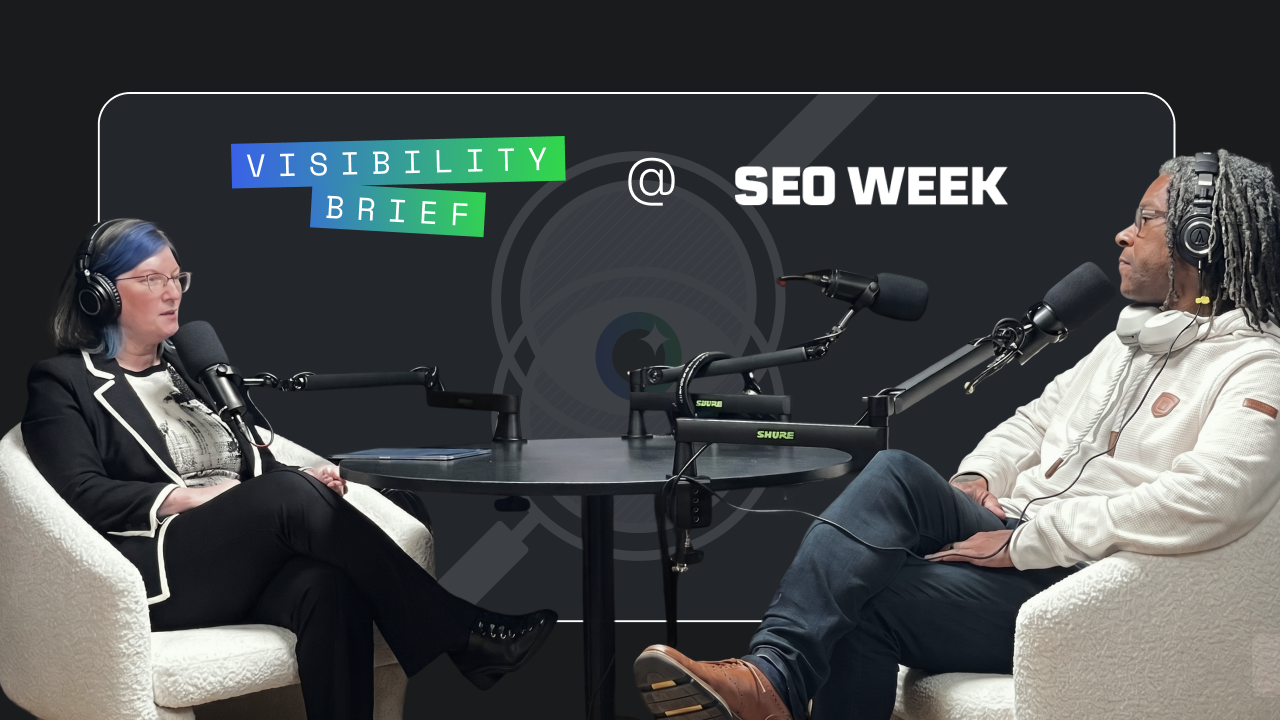
In this session, live from SEO Week 2026, Yext Chief Data Officer Christian Ward walks through two landmark research studies — a citation analysis of 17.2 million AI results across four major models, and an ELO ranking analysis of 21.6 million local search results — to show exactly where AI visibility is won and lost at the local level.
The data is clearer than you'd expect: the sources that drive AI citations are ones you already manage. The question is whether you're managing them the right way, in the right places, at the right time.
What you'll learn:
Why a chess ranking system from 1960 is the best model for measuring sustained search performance — and how consistent, synchronized data earns up to +6.20 Google rank positions in the most competitive markets
What 17.2 million citations reveal about which sources you control, which you don't, and how that breakdown shifts by model, industry, and location
Why brand-down visibility analysis often misrepresents the real customer journey — and what to do instead