TL;DR: With AI search, visibility isn't bought – it's earned. There are no paid placements, no bidding wars, and no traditional rank. You're either cited in the answer or you're not. This post unpacks how to show up in AI-generated responses using structured data, intent-driven keywords, and local sentiment — and why paid media can't save you anymore.
Industry Solutions
5 min
What Your Agency Isn’t Telling You: AI Search Is Breaking the Paid Media Playbook
AI search is here. There’s no paid placement, no rank to win – just answers. This blog outlines a smarter, more sustainable path to visibility – grounded in structured data, intent-driven keywords, sentiment, and local strategy.
-
Nov 3, 2025
5 min

Should you still be spending the majority of your marketing budget on paid search?
If your goal is visibility — not just traffic — then probably not.
AI answer engines like ChatGPT, Perplexity, and Gemini are gaining adoption fast. Unlike traditional search engines, they don't offer ad slots. They don't rank results. And they don't reward the highest bidder.
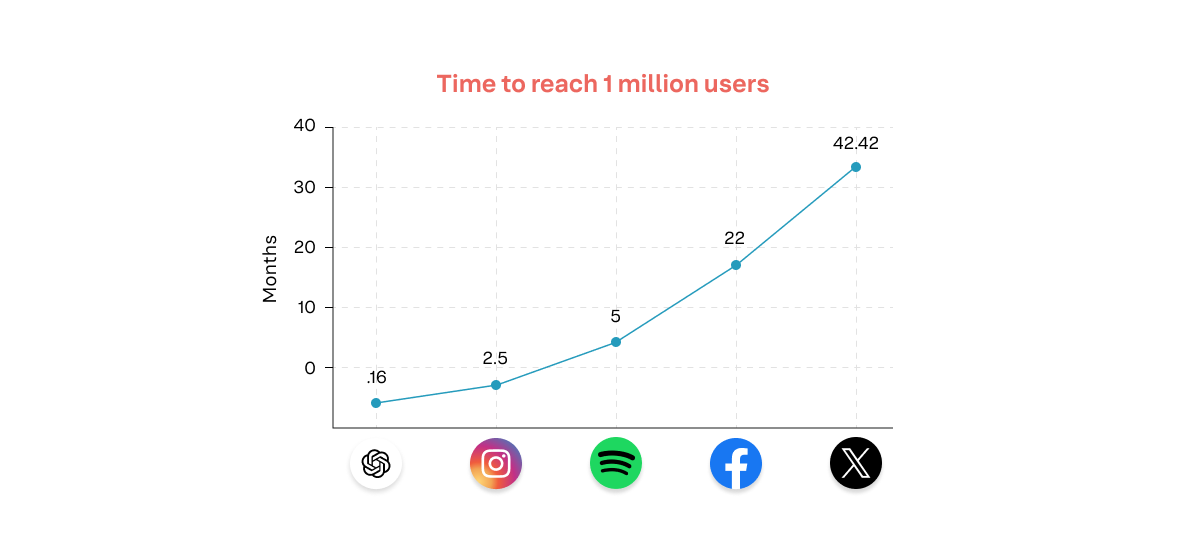
Roughly 60% of searches now yield no click. But don't mistake less traffic for less demand. Customers are still searching with high intent. They're just finding what they need — immediately — inside AI-generated answers.
In this new discovery model, your ad budget doesn't guarantee visibility. AI engines don't sell placements (yet), and more of the journey is shifting to channels where visibility can't be bought. And while most agencies still optimize toward impressions, that metric no longer matters.
If your brand isn't cited or represented in that answer, it's invisible. Period.
And according to Yext Research, 86% of citations in AI-generated answers come from sources brands already manage — like your website, local pages, listings, and reviews.
That means visibility in AI search isn't random — it's earned. And it's earnable.
How to earn your place in the AI answer set
If AI answer engines like ChatGPT, Perplexity, and Gemini don't let you buy your way in, how do you show up? You get cited.
AI search doesn't rank websites or sell ad slots – it plays by a different set of rules. Large Language Models (LLMs) generate answers based on structured data, trusted sources, and signals of relevance and authority.
This means your brand will only appear if it's visible in those sources and your data is structured in a way AI can actually use.
To show up consistently, you need to control how your brand is represented. The good news? You don't need 10,000 keywords or a six-figure paid media budget. But you do need a system built for AI.
Here are four steps to get there:
4 steps to earn visibility in AI search – without paid media
1. Cut the keyword bloat — and focus on real intent
Traditional SEO programs are often overwhelmed by bloated keyword sets and tracking dozens (if not hundreds) of content variations that don't reflect how real people search. This creates noise, not insights.
With AI answer engines, the traditional idea of "rank" doesn't exist. LLMs don't just match on keywords; rather, they interpret topics and user intent, meaning your strategy needs to shift from volume to meaning.
Yext Research found that most brands only need 3–7 strategically selected keywords per location to get the full picture. Anything more adds cost with marginal ROI.
To zero in on your 3–7 high-impact keywords per location, start with your primary Google Business Profile category and organize potential queries into intent-based clusters.
You're not tracking every variation – just the one keyword per cluster that best reflects unique SERP behavior. Prioritize those that surface new competitors or uncover distinct search intent. That's how you get a tight, efficient keyword set that drives visibility (not just noise).
The takeaway: less is more — categories should be focused and tied to your services.
2. Build a structured data foundation that AI can actually see, and cite
AI answer engines don't index and return content the way traditional search engines do. They extract information from a mix of sources, then synthesize that into direct answers.
What you can do:
Organize your brand, product, and location data into a centralized knowledge graph
Use schema markup to label your content clearly on every property you own (especially on local pages)
Make sure business name, address, phone (NAP), hours, reviews, and FAQs are up-to-date and consistent, and push them to every publisher network.
This isn't just an SEO task. It's a brand integrity task. As The Marketing Playbook, Rewritten: A Strategic Guide for CMOs puts it, your AI readiness is only as strong as your structured foundation.
3. Make review sentiment part of your visibility strategy
Sentiment may not be a top citation source – but it shapes perception. AI models interpret brand sentiment from patterns across reviews, ratings, and responses — and that shapes how your brand is described when you do appear.
To manage this:
Monitor the feedback in reviews and compare to competitors
Flag common praise or complaints
Respond consistently with a human voice
AI answer engines reflect what the reviewers say about you.
4. Local pages and FAQs are citation gold — make them count
Yext Research found that local pages and structured FAQs are among the most cited sources in AI answers. If you want to show up in generative platforms, prioritize:
Structured localized content, i.e., business hours, services, and location data
Clear, conversational FAQs written the way customers ask questions
Frequent updates to keep content fresh
These aren't just SEO assets — they're citation gold mines.
What’s your biggest lever in optimizing brand visibility in AI?
You can't buy your way in anymore. But you can earn your place in the answer set and track how well you're doing.
That starts with understanding what AI search is actually surfacing. Not just if you're visible, but where, why, and how your brand is being cited (or not). Most brands are flying blind on this today.
That's where Yext Scout comes in.
Monitor and optimize brand visibility in AI with Scout
Scout uses the same methodology behind our citations research to show you how your brand and each of your locations show up across AI search platforms. It benchmarks you against competitors, identifies what content AI is referencing, and flags gaps in keyword coverage, structured data, and freshness.
With Scout you can:
Identify the right keywords for every location. Powered by intent-based clusters and tailored to your business category
Eliminate keyword bloat and duplication. Focus on high-impact queries that surface real competitors
Benchmark against the competition. See where your brand ranks, and why
Understand citations and sentiment. See what's being said and how AI engines are framing your brand
AI search isn’t pay-to-play. It’s structure-to-show.
Want to learn more about how Yext Scout can help your brand increase visibility in the age of AI search? Click here to dive into real-world use cases.